
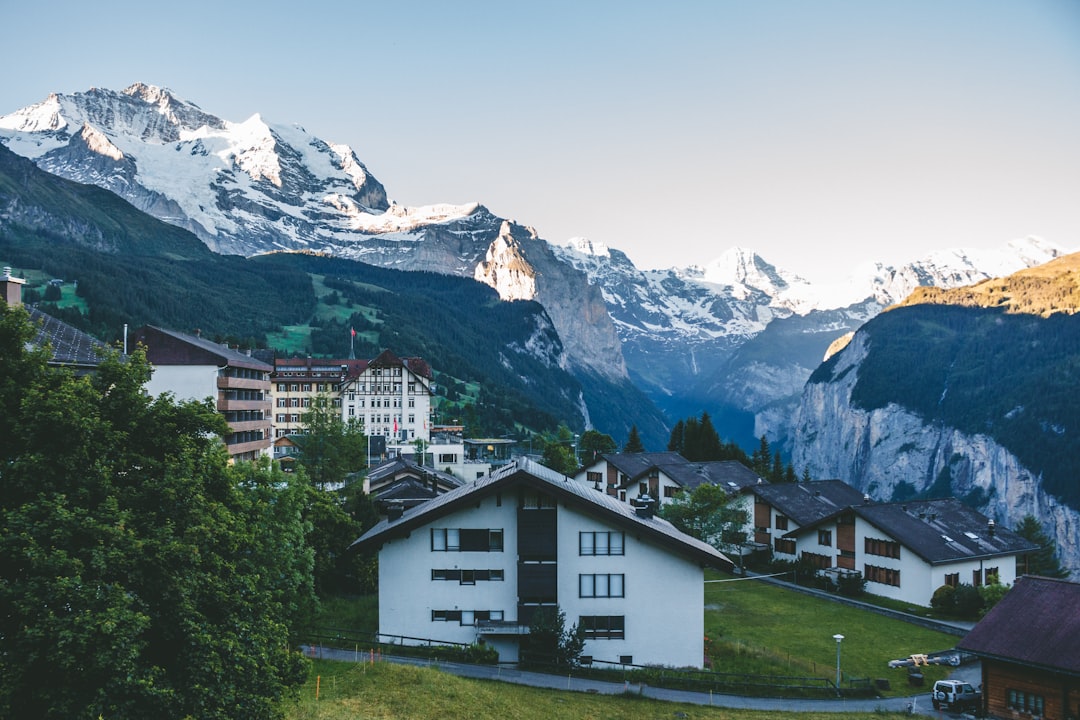

Master Relocating to Switzerland with Confidence
Relocating to a new country can be both exciting and challenging. Switzerland, known for its stunning landscapes, efficient public transport, and high quality of life, is an excellent choice for those looking to make a fresh start in Europe. This guide will provide you with essential information to help you move to Switzerland smoothly and confidently.
One thing that makes a move feel manageable is turning big uncertainty into small, timed decisions. Not just “Where will we live?” but “Which canton fits our work, school, and tax situation?” Not just “How do we handle paperwork?” but “Which documents should we have ready before we even start apartment viewings?” If you approach your move to Switzerland like a project with milestones, you will feel in control much earlier.
Moving to Switzerland: Why It's Worth Considering
Switzerland is often ranked among the best countries in the world. The reasons to move here are abundant.
- High Quality of Life: According to the World Happiness Report, Switzerland consistently ranks at the top due to its political stability, economic prosperity, and social well-being.
- Stunning Natural Beauty: With the Swiss Alps, serene lakes, and charming villages, the country's natural beauty is breathtaking.
- Cultural Diversity: Switzerland is a melting pot of cultures, with four national languages: German, French, Italian, and Romansh. This diversity enriches daily life and broadens understanding.
To successfully navigate your move, you need careful planning and information.
A helpful way to decide if Switzerland is right for you is to sanity-check the tradeoffs. Yes, the quality of life is high. So are expectations around punctuality, planning, and paperwork. Many newcomers love the safety, the access to nature, and how smoothly public services run. Some struggle with the higher cost of living and the slower pace of building deep friendships. Knowing that ahead of time lets you plan for it.
Key Steps in the Relocation Process
Moving involves several steps. Here’s a straightforward breakdown:
1. Research Your Destination
Familiarize yourself with the region you plan to move to. Each area in Switzerland has its unique characteristics.
- City Life: Zurich and Geneva offer vibrant lifestyles with cultural events, museums, and restaurants.
- Rural Areas: If you prefer a quieter life, consider areas in the countryside, such as Appenzell, known for its stunning landscapes and outdoor activities.
Before you pick a canton or city, take 30 minutes to map your real daily life.
- Commute needs (office days, school runs, airport access)
- Language comfort (German, French, or Italian regions)
- Housing budget and what “normal” looks like (smaller spaces are common in cities)
- Lifestyle priorities (mountains, lakes, nightlife, family-friendly suburbs)
If you are moving with a partner or family, do this as a joint exercise. Misaligned expectations about schools, space, and commute time cause more stress than the move itself.
2. Visa and Residency Considerations
Every expatriate needs a visa for long-term stays. Determine which visa applies based on your situation:
- Work Visa: If you have a job offer, your employer can assist you in getting the right visa.
- Study Visa: Students enrolling in Swiss universities must apply for a student visa.
Additional residence permits may be required depending on your nationality. Visit the Swiss government website for accurate, up-to-date information.
Two practical tips that reduce surprises:
- Keep a single digital folder with scans of passports, employment contracts, diplomas, marriage and birth certificates, and proof of address. Switzerland is organized, but it is still document-heavy.
- Expect process differences by canton. Requirements, appointment availability, and timelines can vary.
If you work with an advisory service, make sure the scope is clear. Summited provides relocation guidance and can connect clients with licensed professionals for legal, tax, and regulatory matters, but does not provide licensed legal or tax advice directly.
3. Banking and Finances
Setting up a bank account in Switzerland is essential.
- Choosing a Bank: Research various banks to find the one that fits your needs. Swiss banks often offer comprehensive financial services.
- Cost of Living: Be prepared for high costs, particularly in cities. It’s advisable to budget carefully and adjust your lifestyle accordingly.
Try building a “first 90 days” budget instead of only a monthly one. Early costs stack up quickly: deposits, temporary housing, basic furniture, and administrative fees.
A simple way to make this real is to break your cash needs into three buckets:
- Arrival costs: temporary accommodation, transport passes, SIM plan, groceries
- Setup costs: rental deposit, first month rent, moving company, basic home items
- Stability costs: health insurance premiums, daycare or school extras, commuting, language classes
If your income will start after arrival, make sure you have a buffer that covers that gap comfortably.
Is it Hard to Relocate to Switzerland?
The difficulty of relocating to Switzerland largely depends on your preparation. Here are some challenges you may face:
- Language Barrier: Knowing the local language well, German, French, or Italian can significantly ease your transition. Consider enrolling in language classes as soon as possible.
- Cultural Differences: Adapting to Swiss customs may take time. Participate in local events to immerse yourself in the culture and meet new people.
Despite these challenges, thorough planning and a positive mindset can lead to a seamless relocation experience.
A small mindset shift helps: treat “hard” as “structured.” Switzerland tends to reward structure. If you show up to an appointment prepared, keep copies of your documents, and follow the steps in order, many processes are straightforward.
What documents do I need to move to Switzerland?
Document requirements vary by nationality and purpose of stay, but most newcomers end up needing some version of the following:
- A valid passport or national ID
- Proof of address (temporary or permanent)
- Employment contract or proof of studies
- Civil status documents (marriage certificate, birth certificates for children)
- Health insurance proof (once arranged)
- Passport photos (still requested in some contexts)
If you can, bring original documents plus certified copies. Getting replacements from abroad is usually slower and more expensive.
4. Finding Accommodation
Start your search for accommodation early. Popular methods include:
- Online Platforms: Websites such as Homegate and ImmoScout offer extensive listings.
- Local Real Estate Agents: Consider hiring a local agent who understands the market and can assist in finding a suitable home.
When viewing apartments, take note of important factors such as proximity to public transportation, schools, and amenities.
In competitive markets, what matters is not only finding the right apartment but applying in a way landlords trust. A typical Swiss rental application can include a form, ID, proof of income, and sometimes a debt enforcement extract (Betreibungsauszug) for residents. New arrivals may need alternative proofs, like an employment contract, savings statements, or a letter from an employer.
Consider keeping an “application pack” ready so you can move quickly after a viewing.
Settling in and Adapting to Your New Life
Once you arrive, it's vital to establish a sense of normalcy. Here are tips to help you blend in:
1. Learn About the Healthcare System
Switzerland has a high-quality healthcare system. All residents must have health insurance.
- Choosing Insurance: Research various health insurance providers and choose a plan that fits your needs.
- Registering for Healthcare: Upon moving, you’ll need to register with a local health authority.
Is Swiss healthcare mandatory for expats?
Yes - in Switzerland, basic health insurance is mandatory for residents, including most expats. The practical challenge is choosing a plan that fits your budget and your risk tolerance.
A common approach is to compare:
- Deductible level: higher deductibles often mean lower monthly premiums
- Model type: standard, family doctor, telemedicine, or HMO models
- Coverage needs: planned treatments, prescriptions, family coverage
If you are unsure where to start, focus on the first decision only: get compliant coverage in place, then optimize later once you understand your real healthcare usage.
2. Connect with Locals and Other Expats
Building a social network is crucial for adapting to life in Switzerland.
- Join Community Groups: Look for expat groups or clubs that share your interests. Websites like Meetup can be useful for finding community events.
- Attend Local Events: Participate in local festivals, workshops, or volunteer opportunities to meet people and engage with the community.
The easiest relationships often come from repetition. Choose one or two “weekly anchors” and stick to them for 2 to 3 months: a language class, a sports club, or a recurring meetup. Switzerland can feel reserved at first, but consistency is respected.
3. Navigating Public Transport
Switzerland boasts an efficient public transport system.
- Familiarize Yourself with Schedules: Trains and trams operate frequently. Download apps like SBB Mobile to stay updated on schedules and routes.
- Consider a Monthly Pass: If you're using public transport regularly, consider purchasing a monthly pass to save on fares.
A practical tip: pick your home location with transit in mind. A 10-minute walk to a major station can completely change your day-to-day experience. You may pay a bit more in rent, but you often save time, stress, and taxi costs.
Enjoying Your New Life in Switzerland
After relocating, it’s time to explore and embrace your new home! Here are some activities and places to enjoy:
- Outdoor Adventures: Take advantage of the country's beautiful landscapes. Hiking in the Alps or swimming in Lake Geneva are activities that residents enjoy.
- Cultural Experiences: Visit museums, attend concerts, and enjoy Swiss cuisine. Experiment with local dishes such as fondue and raclette.
- Travel Opportunities: Switzerland’s location makes it a fantastic base for traveling across Europe. Plan weekend trips to nearby countries.
In various ways, settling into your new Swiss life can be a transformative experience.
One idea that keeps the magic alive is exploring by “micro-region.” Pick a lake, a valley, or a small cluster of towns and spend a few weekends learning it properly: a local hike, a favorite cafe, a market day, then a museum or concert. Switzerland rewards curiosity.
Embrace the Change with Confidence
Moving to another country can feel overwhelming. However, being informed, prepared, and open-minded can ease many of your worries. By following these steps and actively participating in your community, you can successfully flourish in your new environment.
If you plan to relocate to Switzerland, remember that every challenge is an opportunity for growth. Embrace the adventure, and let Switzerland show you the beauty it has to offer!
Want structured support for your move?
If you want help turning plans into a timeline - permits, tax planning, housing, health insurance, and all the living essentials - Summited offers guided relocation support, consultations, and in-depth relocation resources so you can move with clarity and fewer surprises.
For official requirements and updates, always check your canton and the Swiss government guidance.